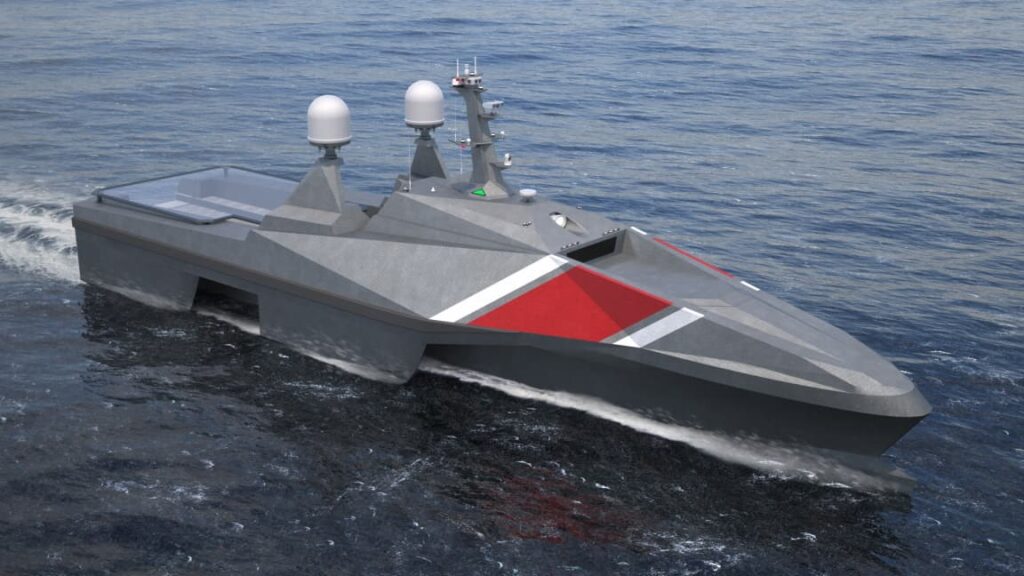
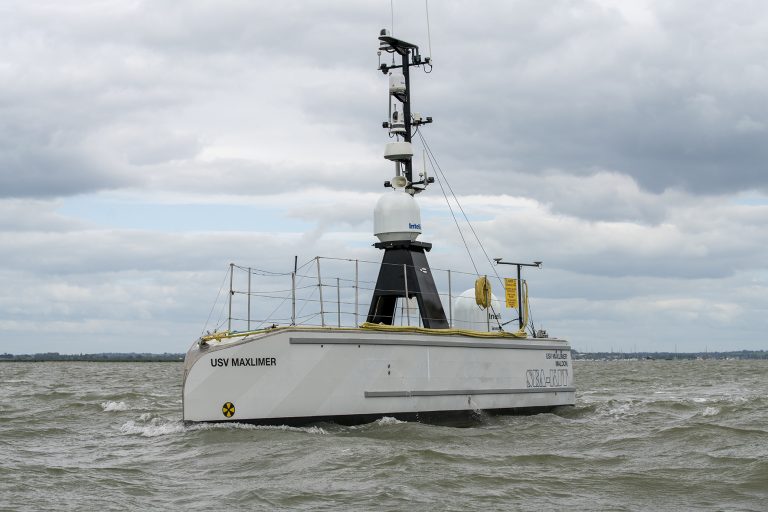
USVs can operate in various modes, ranging from remote-controlled (RC) by a human operator to fully autonomous surface vehicles (ASVs) that follow pre-programmed missions or use Artificial Intelligence (AI) to navigate and make real-time decisions.
Abstract
test
Autonomy and Navigation
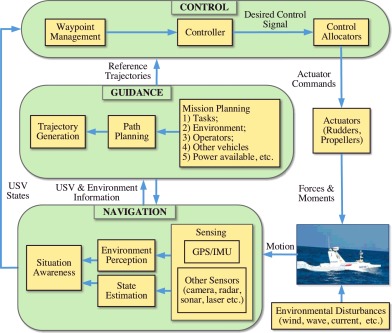
Guidance, Navigation, and Control (GNC) Systems
About
These include a sophisticated suite of technologies for accurate positioning and movement
GPS/GNSS
precise location tracking and route following
Inertial Measurement Units (IMUs) and Inertial Navigation Systems (INS)
measure orientation, velocity, and position accurately, especially when GPS signals are degraded.
Autopilot Software
Manages the vessel’s heading, speed, and routing.
Autonomy and Navigation
Obstacle Detection and Avoidance
About
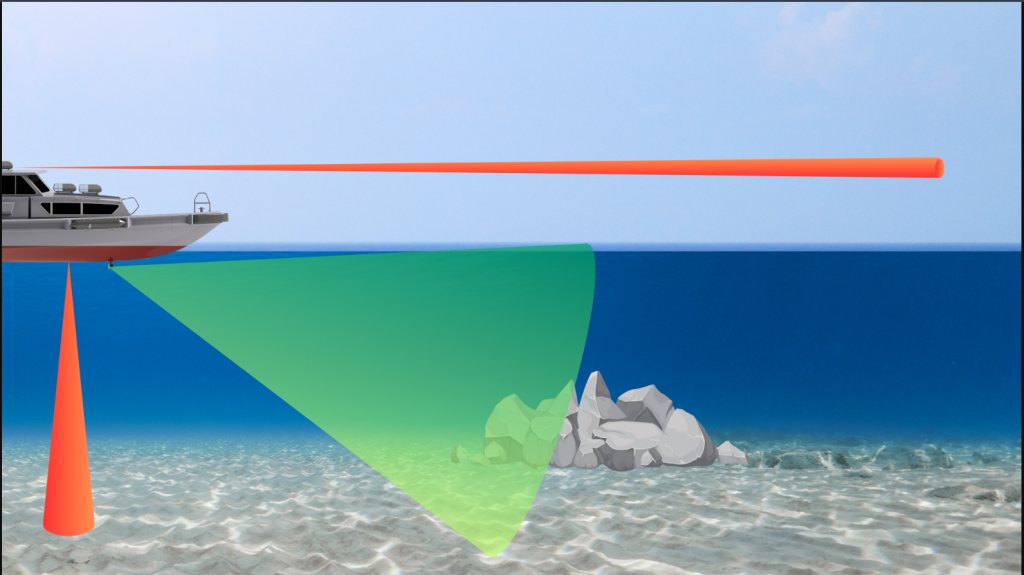
Critical for safety and collision prevention (in compliance with COLREGs). This relies on integrating data from various sensors like LiDAR, sonar, radar, and vision sensors (cameras)
Abstract
test
Payload and Sensor Integration
Modular Payload Bay
About
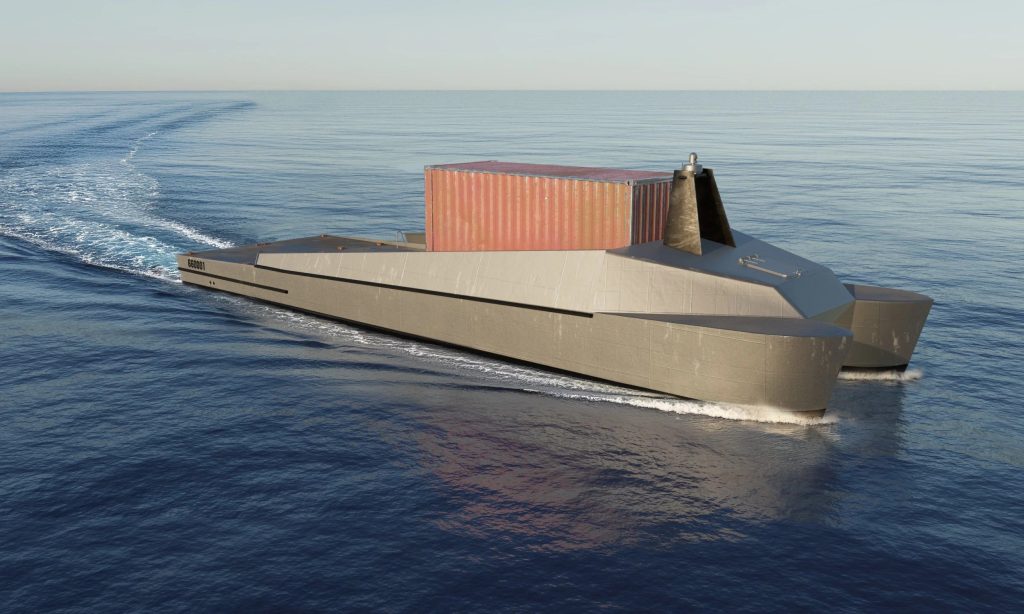
USVs are designed to carry various equipment depending on the mission. This modularity allows for quick integration of different sensors and tools.
Abstract
test
Payload and Sensor Integration
Diverse Sensor Suite
About
The core function often revolves around the data they can collect. Common sensors
Hydrographic/Mapping
Single-beam and multibeam echosounders, and side-scan sonar for seafloor mapping and surveying.
Environmental Monitoring
Sensors for water quality (salinity, dissolved oxygen, temperature), meteorological data (wind speed, air temperature), and oil spill detection.
Surveillance and Reconnaissance (ISR)
High-resolution cameras, thermal cameras, and radar.
Propulsion and Endurance
Power Systems
About
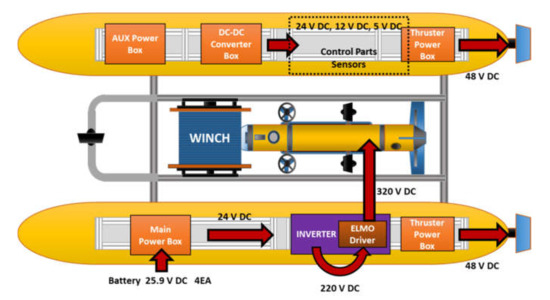
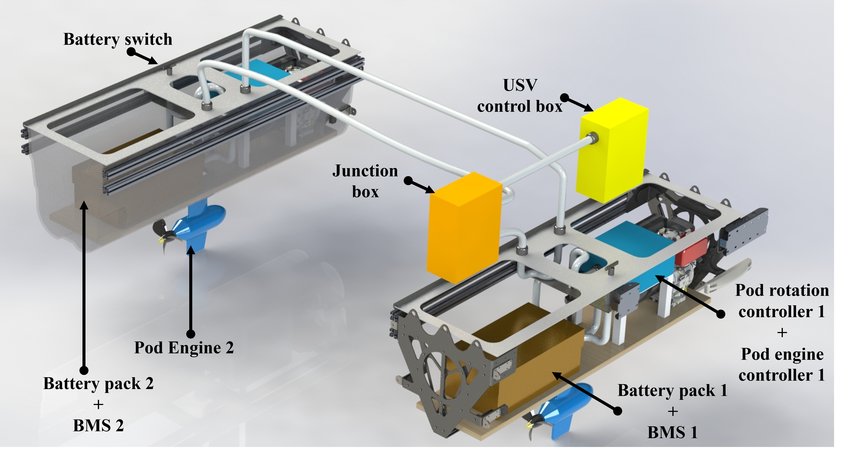
The power source is critical for mission duration. Many USVs use
Renewable Energy
Solar, wind, or wave energy to maximize operational efficiency and endurance for long-term deployments (e.g., Saildrones)
Traditional/Hybrid
Battery-electric, diesel, or hybrid systems for higher power needs and speed.
Propulsion and Endurance
Propulsion Systems
About
Thrusters or traditional propulsion to provide movement and control.
Abstract
test
Propulsion and Endurance
Long Endurance
About
The ability to operate for extended periods without refueling or human intervention, which is a major advantage over crewed vessels.
Abstract
test
Communication and Data Management
Real-Time Communication
About
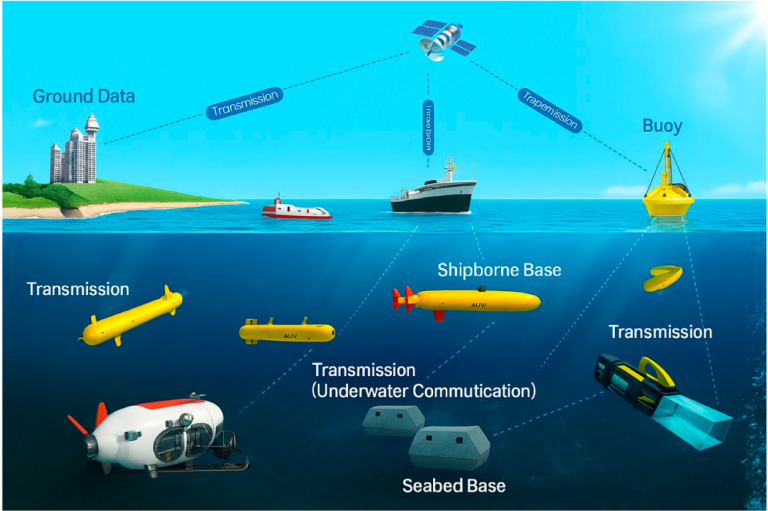
Using satellite, radio, or cellular systems to allow remote operators to monitor the USV’s status, adjust mission parameters, and receive data in real-time.
Abstract
test
Communication and Data Management
Data Logging and Transmission
About
Systems to collect, store, and transmit the data gathered by the sensor payloads back to a control station or shore.
Abstract
test
Hull and Design
Robust Construction
About
Built with durable, corrosion-resistant materials (like High-Density Polyethylene or aluminum) to withstand harsh marine environments and challenging sea states.
Abstract
test
Hull and Design
Varied Hull Designs
About
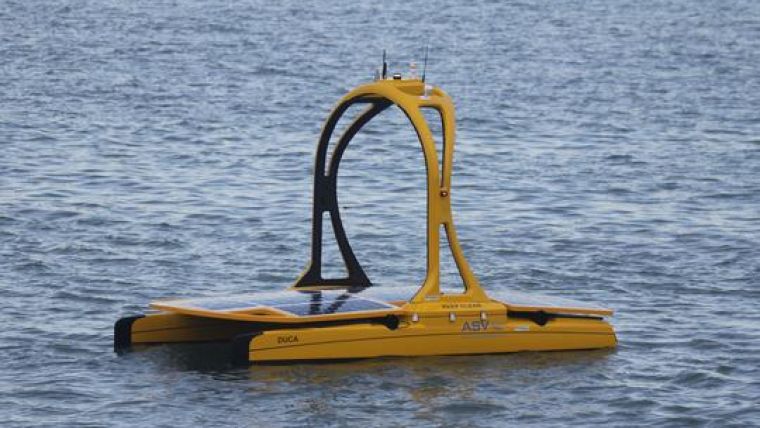
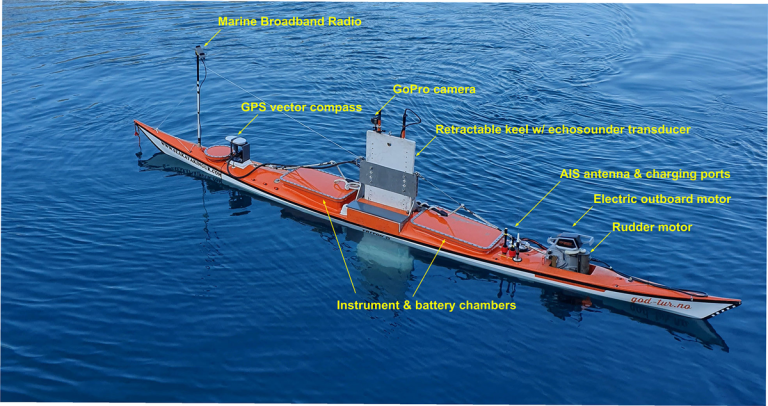
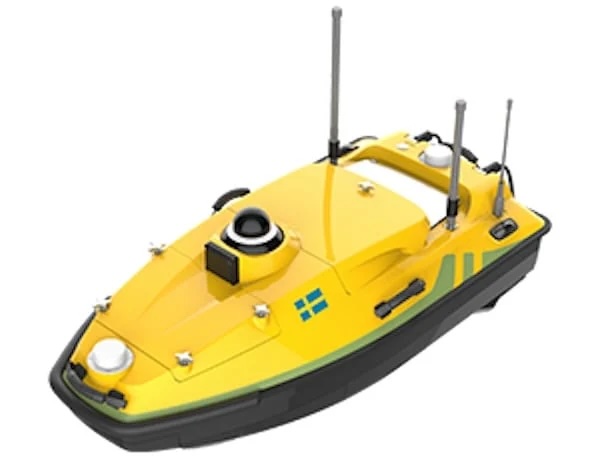
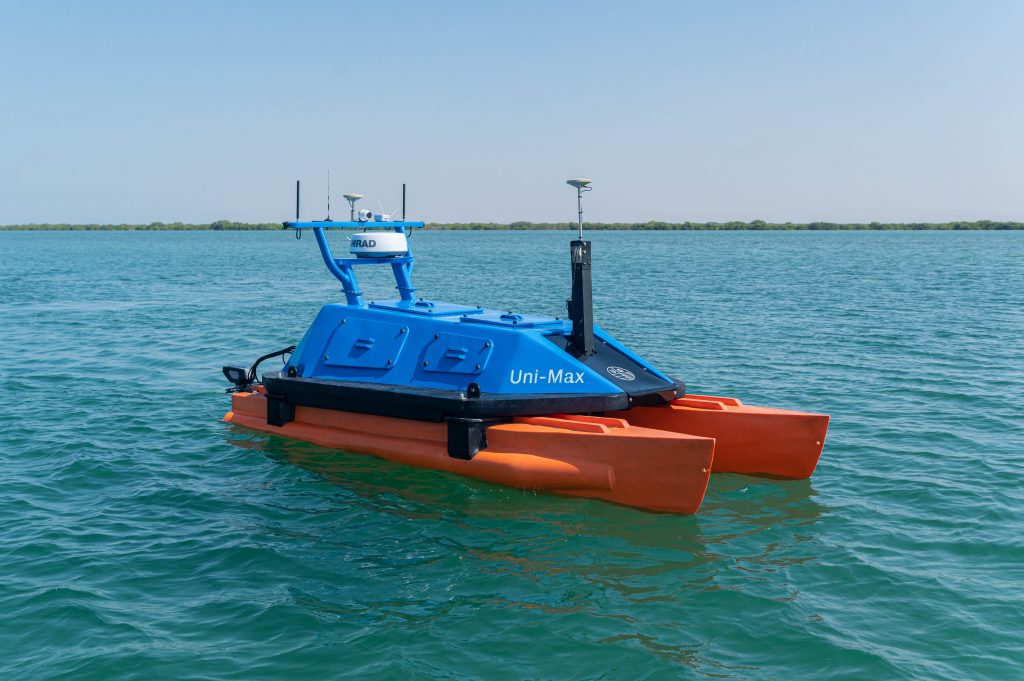
Common designs like catamaran, trimaran, or single-hull, which are chosen based on the desired speed, stability, and payload capacity.