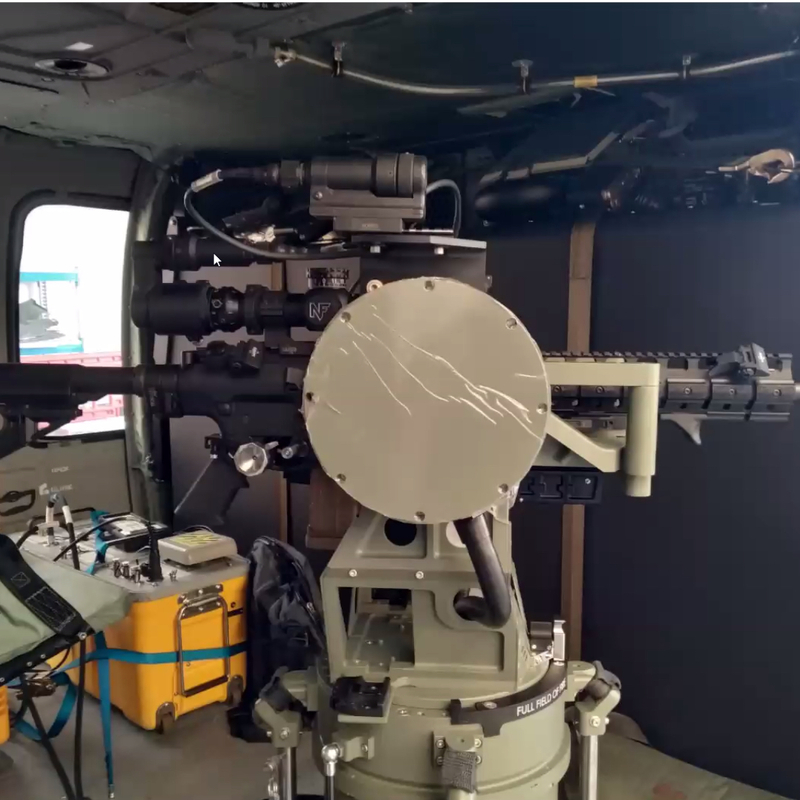
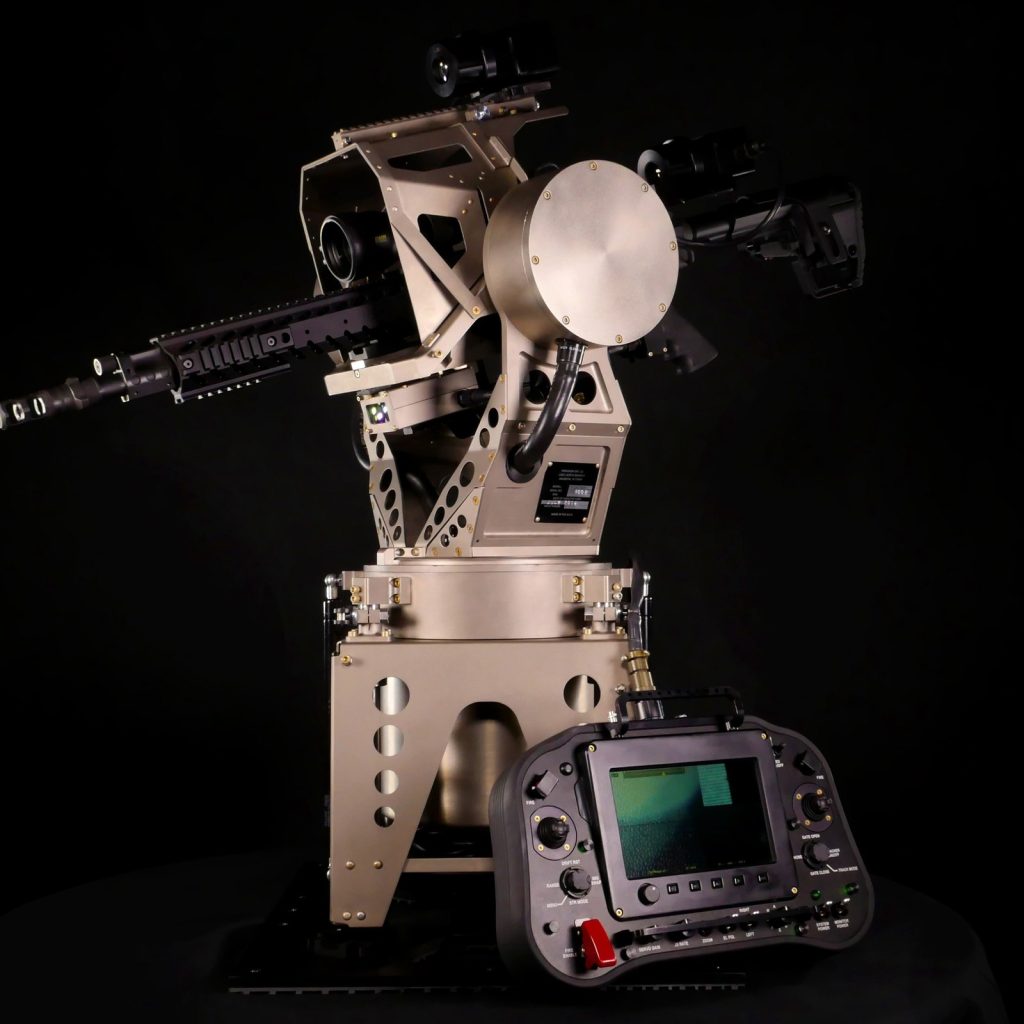
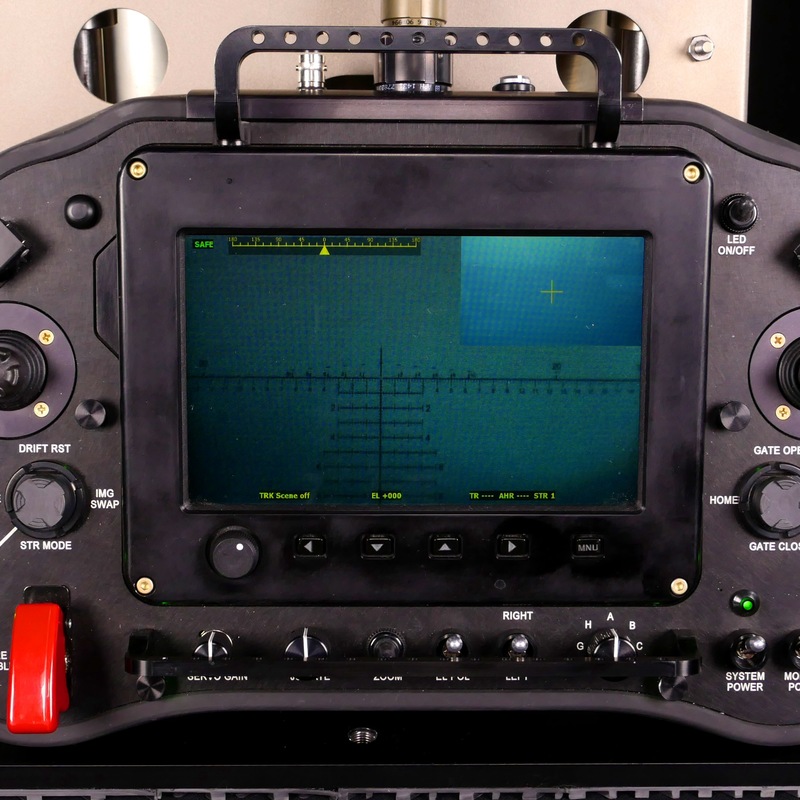
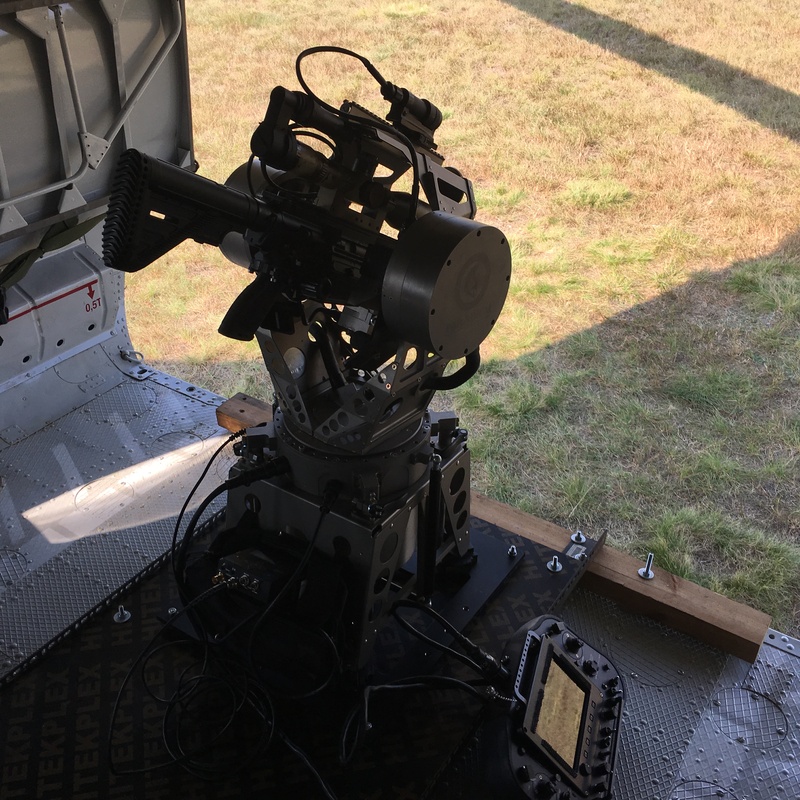
The primary driver behind this paradigm is safety. Gunners no longer need to be exposed in a vehicle’s turret; instead, they operate the system using a man-machine interface, cameras, and controls from within the armored hull.
Abstract
test
Core Features
Sensor & Weapon System Emulation
About
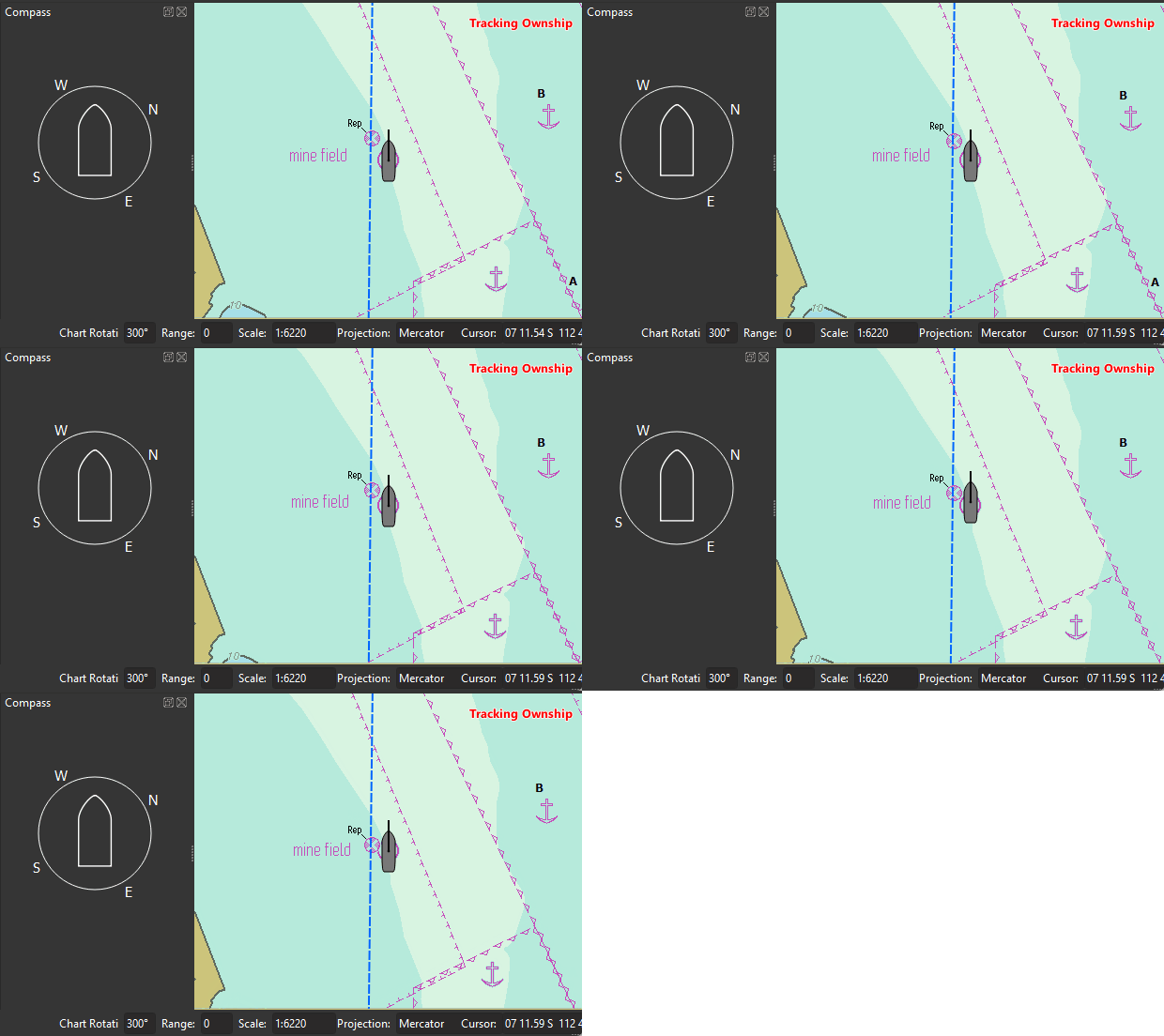
Supports detailed simulation of radar, sonar, electronic warfare (EW/ESM), EO/IR, and ARPA/NMEA streams, alongside weapon handling logic, including missile engagements, torpedo countermeasures, electronic countermeasures, and kill assessment.
Abstract
test
Core Features
Enhanced Situational Awareness
About
The systems utilize advanced optics, thermal imaging, and sensors to provide the operator with a comprehensive view of the surrounding environment, in various conditions (day/night, all weather).
Abstract
test
Core Features
Role-Specific Operator Training
About
Equipped for training across sensor stations (radar, sonar), communication consoles, combat command centers (C2/C4I), and tactical link operations. Functions include target tracking, identification, threat response, and real-time decision execution.
Abstract
test
Core Features
Precision and Stability
About
RCWS are often gyro-stabilized, allowing for accurate observation, aiming, and firing even while the platform (vehicle, sea vessel, etc.) is in motion.
Abstract
test
Core Features
Live-Virtual-Constructive (LVC) Integration
About
Seamlessly merges live hardware, virtual simulations, and constructive scenarios using standards like DIS/HLA and live AIS/ARPA feeds, enabling distributed, scalable exercises across multiple participants and simulation sites.
Abstract
test
Core Features
Modularity and Integration
About
These stations are designed to be adaptable, capable of mounting a variety of light and medium caliber weapons (such as 7.62 mm or 12.7 mm machine guns, and sometimes grenade launchers or missiles). They can also be integrated with other battlefield management systems and target trackers.
Abstract
test
Core Features
Instructor Control & Debrief Tools
About
Administrators can manage scenario complexity, intervene in real time, replay engagements, and review recordings to evaluate performance, identify training gaps, and reinforce tactical lessons.
Abstract
test
Core Features
Technological Superiority
About
The shift represents a move from static weapon configurations to flexible, autonomous-capable systems, offering a technological advantage in modern conflicts.
Abstract
test
Core Features
Live-Virtual-Constructive (LVC) Integration
About
Seamlessly merges live hardware, virtual simulations, and constructive scenarios using standards like DIS/HLA and live AIS/ARPA feeds, enabling distributed, scalable exercises across multiple participants and simulation sites.